Sciatica
Also called: Lumbar radiculopathy, Slipped disc
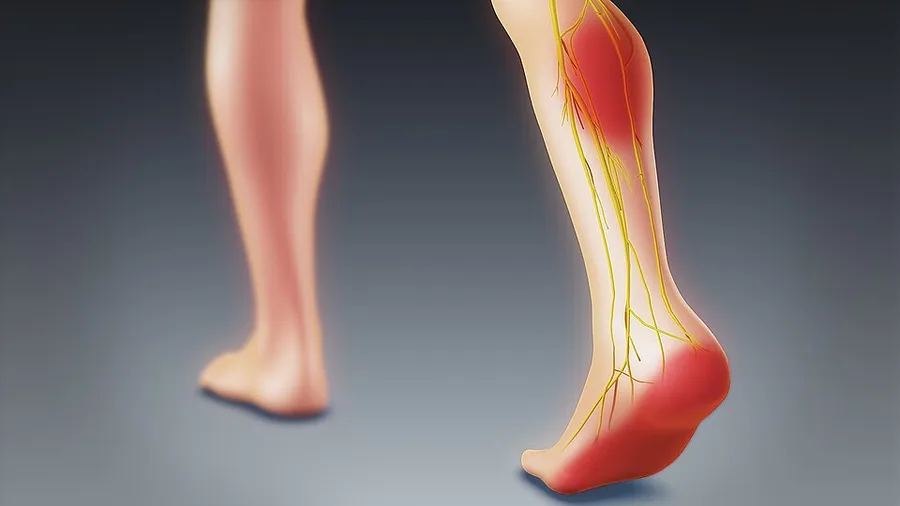
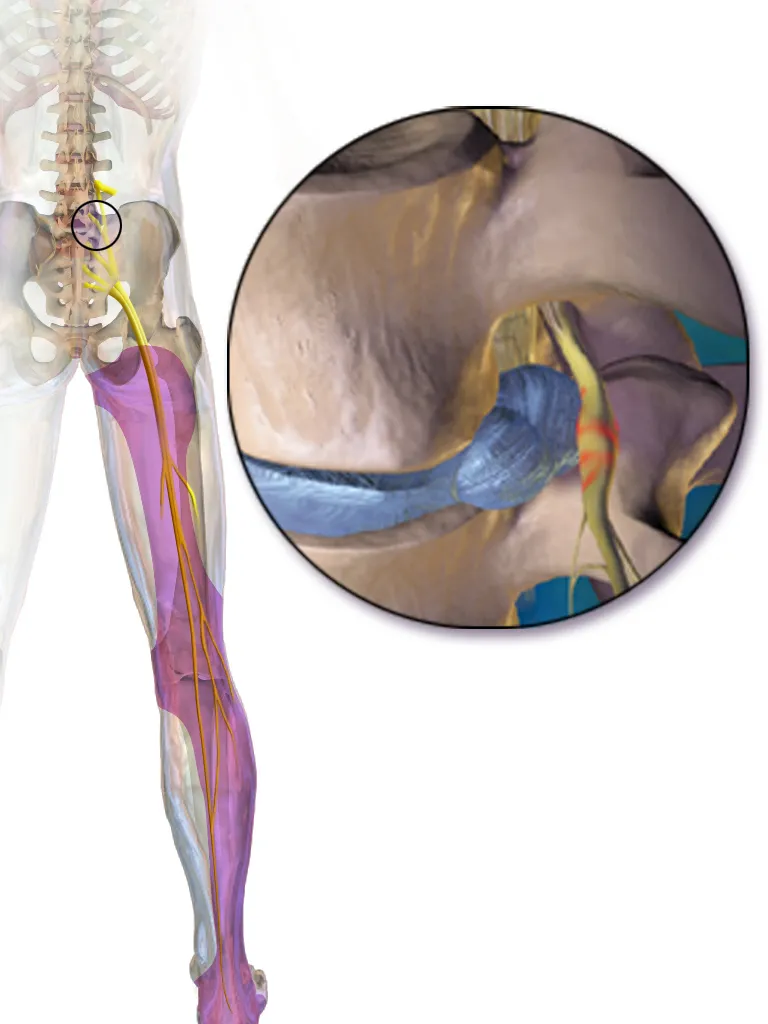
Sciatica is a symptom of a problem with the sciatic nerve, the largest nerve in the body. It controls muscles in the back of your knee and lower leg and provides feeling to the back of your thigh, part of your lower leg, and the sole of your foot. When you have sciatica, you have pain, weakness, numbness, or tingling. It can start in the lower back and extend down your leg to your calf, foot, or even your toes. It's usually on only one side of your body.
Causes of sciatica include:
- A ruptured intervertebral disk
- Narrowing of the spinal canal that puts pressure on the nerve, called spinal stenosis
- An injury such as a pelvic fracture.
In many cases no cause can be found.
Sometimes sciatica goes away on its own. Treatment, if needed, depends on the cause of the problem. It may include exercises, medicines, and surgery.
Risk factors
Modifiable risk factors for sciatica include smoking, obesity, occupation, and physical sports where back muscles and heavy weights are involved. Non-modifiable risk factors include increasing age, being male, and having a personal history of low back pain.
Spinal disc herniation
Spinal disc herniation pressing on one of the lumbar or sacral nerve roots is the most frequent cause of sciatica, being present in about 90% of cases. This is particularly true in those under age 50. Disc herniation most often occurs during heavy lifting. Pain typically increases when bending forward or sitting, and reduces when lying down or walking.
Spinal stenosis
Other compressive spinal causes include lumbar spinal stenosis, a condition in which the spinal canal, the space the spinal cord runs through, narrows and compresses the spinal cord, cauda equina, or sciatic nerve roots. This narrowing can be caused by bone spurs, spondylolisthesis, inflammation, or a herniated disc, which decreases available space for the spinal cord, thus pinching and irritating nerves from the spinal cord that become the sciatic nerve. This is the most frequent cause after age 50. Sciatic pain due to spinal stenosis is most commonly brought on by standing, walking, or sitting for extended periods of time, and reduces when bending forward. However, pain can arise with any position or activity in severe cases. The pain is most commonly relieved by rest.
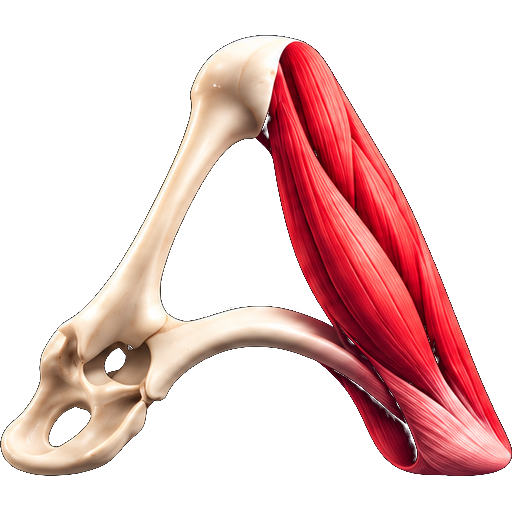
Piriformis syndrome
Piriformis syndrome is a condition that, depending on the analysis, varies from a "very rare" cause to contributing up to 8% of low back or buttock pain. In 17% of people, the sciatic nerve runs through the piriformis muscle rather than beneath it. When the piriformis shortens or spasms due to trauma or overuse, it is posited that this causes compression of the sciatic nerve. Piriformis syndrome has colloquially been referred to as "wallet sciatica" since a wallet carried in a rear hip pocket compresses the buttock muscles and sciatic nerve when the bearer sits down. Piriformis syndrome may be suspected as a cause of sciatica when the spinal nerve roots contributing to the sciatic nerve are normal and no herniation of a spinal disc is apparent.
Deep gluteal syndrome
Deep gluteal syndrome is non-discogenic, extrapelvic sciatic nerve entrapment in the deep gluteal space. Piriformis syndrome was once the traditional model of sciatic nerve entrapment in this anatomic region. The understanding of non-discogenic sciatic nerve entrapment has changed significantly with improved knowledge of posterior hip anatomy, nerve kinematics, and advances in endoscopic techniques to explore the sciatic nerve. There are now many known causes of sciatic nerve entrapment, such as fibrous bands restricting nerve mobility, that are unrelated to the piriformis in the deep gluteal space. Deep gluteal syndrome was created as an improved classification for the many distinct causes of sciatic nerve entrapment in this anatomic region. Piriformis syndrome is now considered one of many causes of deep gluteal syndrome.
Endometriosis
Sciatic endometriosis, also called catamenial or cyclical sciatica, is a sciatica whose cause is endometriosis. Its incidence is unknown. Diagnosis is usually made by an MRI or CT-myelography.
Pregnancy
Sciatica may also occur during pregnancy, particularly in the later stages, as a result of the weight of the fetus pressing on the sciatic nerve during sitting or during leg spasms. While most cases do not directly harm the woman or the fetus, indirect harm may come from the numbing effect on the legs, which can cause loss of balance and falls. There is no standard treatment for pregnancy-induced sciatica.
Other
Pain that does not improve when lying down suggests a nonmechanical cause, such as cancer, inflammation, or infection. Sciatica can be caused by tumors impinging on the spinal cord or the nerve roots. Severe back pain extending to the hips and feet, loss of bladder or bowel control, or muscle weakness may result from spinal tumors or cauda equina syndrome. Trauma to the spine, such as from a car accident or hard fall onto the heel or buttocks, may also lead to sciatica. A relationship has been proposed with a latent Cutibacterium acnes infection in the intervertebral discs, but the role it plays is not yet clear.
Diagnosis
Sciatica is typically diagnosed by physical examination, and the history of the symptoms.
Physical tests
Generally, if a person reports the typical radiating pain in one leg, as well as one or more neurological indications of nerve root tension or neurological deficit, sciatica can be diagnosed.
The most frequently used diagnostic test is the straight leg raise to produce Lasègue's sign, which is considered positive if pain in the distribution of the sciatic nerve is reproduced with passive flexion of the straight leg between 30 and 70 degrees. While this test is positive in about 90% of people with sciatica, approximately 75% of people with a positive test do not have sciatica. Straight leg raising of the leg unaffected by sciatica may produce sciatica in the leg on the affected side; this is known as the Fajersztajn sign. The presence of the Fajersztajn sign is a more specific finding for a herniated disc than Lasègue's sign. Maneuvers that increase intraspinal pressure, such as coughing, flexion of the neck, and bilateral compression of the jugular veins, may transiently worsen sciatica pain.
Medical imaging
Imaging modalities such as computerised tomography or magnetic resonance imaging can help with the diagnosis of lumbar disc herniation. Both are equally effective at diagnosing lumbar disk herniation, but computerized tomography has a higher radiation dose. Radiography is not recommended because disks cannot be visualized by X-rays. The utility of MR neurography in the diagnosis of piriformis syndrome is controversial.
Discography could be considered to determine a specific disc's role in an individual's pain. Discography involves the insertion of a needle into a disc to determine the pressure of disc space. Radiocontrast is then injected into the disc space to assess for visual changes that may indicate an anatomic abnormality of the disc. The reproduction of an individual's pain during discography is also diagnostic.
Differential diagnosis
Cancer should be suspected if there is previous history of it, unexplained weight loss, or unremitting pain. Spinal epidural abscess is more common among those who have diabetes mellitus or immunodeficiency, or who have had spinal surgery, injection or catheter; it typically causes fever, leukocytosis and increased erythrocyte sedimentation rate. If cancer or spinal epidural abscess is suspected, urgent magnetic resonance imaging is recommended for confirmation. Proximal diabetic neuropathy typically affects middle aged and older people with well-controlled type-2 diabetes mellitus; onset is sudden, causing pain, usually in multiple dermatomes, quickly followed by weakness. Diagnosis typically involves electromyography and lumbar puncture. Shingles is more common among the elderly and immunocompromised; typically, pain is followed by the appearance of a rash with small blisters along a single dermatome. Acute Lyme radiculopathy may follow a history of outdoor activities during warmer months in likely tick habitats in the previous 1–12 weeks. In the U.S., Lyme is most common in New England and Mid-Atlantic states and parts of Wisconsin and Minnesota, but it is expanding to other areas. The first manifestation is usually an expanding rash possibly accompanied by flu-like symptoms. Lyme can also cause a milder, chronic radiculopathy an average of 8 months after the acute illness.
Management
Sciatica can be managed with a number of different treatments with the goal of restoring a person's normal functional status and quality of life. When the cause of sciatica is lumbar disc herniation (90% of cases), most cases resolve spontaneously over weeks to months. Initially treatment in the first 6–8 weeks should be conservative. More than 75% of sciatica cases are managed without surgery. Smokers with sciatica are strongly urged to quit in order to promote healing. Treatment of the underlying cause of nerve compression is needed in cases of epidural abscess, epidural tumors, and cauda equina syndrome.
Physical activity
Physical activity is often recommended for the conservative management of sciatica for persons who are physically able. Bed rest is not recommended. Although structured exercises provide small, short-term benefit for leg pain, in the long term no difference is seen between exercise or simply staying active. The evidence for physical therapy in sciatica is unclear though such programs appear safe. Physical therapy is commonly used. Nerve mobilization techniques for sciatic nerve are supported by tentative evidence.
Medication
There is no one medication regimen used to treat sciatica. Evidence supporting the use of opioids and muscle relaxants is poor. Low-quality evidence indicates that NSAIDs do not appear to improve immediate pain, and all NSAIDs appear to be nearly equivalent in their ability to relieve sciatica. Nevertheless, NSAIDs are commonly recommended as a first-line treatment for sciatica. In those with sciatica due to piriformis syndrome, botulinum toxin injections may improve pain and function. While there is little evidence supporting the use of epidural or systemic steroids, systemic steroids may be offered to individuals with confirmed disc herniation if there is a contraindication to NSAID use. Low-quality evidence supports the use of gabapentin for acute pain relief in those with chronic sciatica. Anticonvulsants and biologics have not been shown to improve acute or chronic sciatica. Antidepressants have demonstrated some efficacy in treating chronic sciatica, and may be offered to individuals who are not amenable to NSAIDs or who have failed NSAID therapy.
Surgery
If sciatica is caused by a herniated disc, the disc's partial or complete removal, known as a discectomy, has tentative evidence of benefit in the short term. A modest reduction in pain is seen after 26 weeks, but not after one year (about 52 weeks). If the cause is spondylolisthesis or spinal stenosis, surgery appears to provide pain relief for up to two years.
For non-discogenic sciatica, the surgical treatment is typically a nerve decompression. A decompression seeks to remove tissue around the nerve that may be compressing it or restricting movement of the nerve.
Alternative medicine
Low to moderate-quality evidence suggests that spinal manipulation is an effective treatment for acute sciatica. For chronic sciatica, the evidence supporting spinal manipulation as treatment is poor. Spinal manipulation has been found generally safe for the treatment of disc-related pain; however, case reports have found an association with cauda equina syndrome, and it is contraindicated when there are progressive neurological deficits.
Prognosis
About 39% to 50% of people with sciatica still have symptoms after one to four years. In one study, around 20% were unable to work at their one-year followup, and 10% had surgery for the condition.
Epidemiology
Depending on how it is defined, less than 1% to 40% of people have sciatica at some point in time. Sciatica is most common between the ages of 40 and 59, and men are more frequently affected than women.
Source: Wikipedia, The Free Encyclopedia · CC BY-SA 4.0
References
- Sciatica — MedlinePlus, U.S. National Library of MedicineSource: MedlinePlus, National Library of Medicine Public domain (U.S. government work). Retrieved 2026-10-19.
- Sciatica — Wikipedia, The Free EncyclopediaText from the Wikipedia article "Sciatica" (CC BY-SA 4.0); excerpted. Licence. Retrieved 2026-10-19. Revision used.
Text above is quoted from the listed sources without changes to its meaning. Image credits and licences are shown with each image. Educational information only, not medical advice.
Related conditions
Educational overview, not medical advice. Treatment varies by person and location. Consult a qualified health professional for diagnosis or care. Content and model notes · Privacy information