Pulmonary hypertension
Also called: PH, PAH
What is pulmonary hypertension?
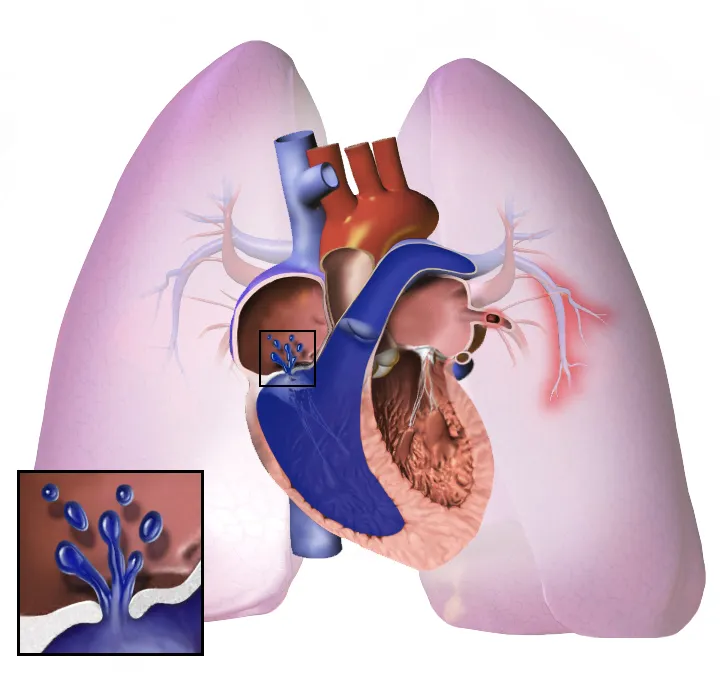
Pulmonary hypertension, sometimes called PH, is a serious condition that affects the blood vessels in the lungs. It develops when the blood pressure in your lungs is higher than normal.
Your heart pumps blood to your lungs so they can add oxygen to the blood. The blood goes back to your heart. From there, it travels to the rest of your body so that your tissues can get the oxygen that they need.
The blood moves from your heart to your lungs through blood vessels called pulmonary arteries. If the pulmonary arteries become damaged, narrowed, or blocked, the blood does not flow through them as well. This can increase the blood pressure in the arteries and cause pulmonary hypertension.
There are different types of pulmonary hypertension, including pulmonary arterial hypertension (PAH). The different types are based on what caused the disease.
What causes pulmonary hypertension?
Pulmonary hypertension can develop on its own or be caused by another condition. Sometimes the cause is unknown or is not clear.
Some of the possible causes include:
- Heart diseases, including left-sided heart failure and congenital heart disease
- Lung diseases such as COPD (chronic obstructive pulmonary disease), interstitial lung disease, emphysema, and sleep apnea
- Other medical conditions such as:
- Liver diseases
- Sickle cell disease
- Pulmonary embolism (blood clots in the lungs)
- Connective tissue disorders like scleroderma
Who is more likely to develop pulmonary hypertension?
Certain factors can make you more likely to develop pulmonary hypertension, such as:
- Your age. The risk increases as you get older. The condition is usually diagnosed between ages 30 and 60.
- Your environment. Being exposed to asbestos or having certain infections caused by parasites can raise your risk.
- Your family history and genetics. Certain genetic disorders, such as Down syndrome, congenital heart disease, and Gaucher disease, can raise your risk of pulmonary hypertension. So can a family history of blood clots.
- Your lifestyle habits.Smoking and illegal drug use can raise your risk of developing pulmonary hypertension.
- Certain medicines. For example, some medicines used to treat cancer and depression can make you more likely to develop pulmonary hypertension.
- Your sex. Pulmonary hypertension is more common in women than in men.
What are the symptoms of pulmonary hypertension?
The symptoms of pulmonary hypertension are sometimes hard to recognize and are similar to the symptoms of other medical conditions. So sometimes it can take years for someone to get diagnosed with pulmonary hypertension.
The symptoms of pulmonary hypertension may include:
- Shortness of breath
- Chest pain or pressure
- Dizziness that may lead to fainting
- Fatigue
- Swelling of the abdomen, legs, or feet
- Heart palpitations (the feeling that your heart is pounding or beating too fast)
What other problems can pulmonary hypertension cause?
Pulmonary hypertension can get worse over time and lead to serious problems, including:
- Anemia, which can cause your body to not get enough oxygen-rich blood
- Arrhythmias, problems with the rate or rhythm of your heartbeat
- Blood clots in the pulmonary arteries
- Bleeding in the lungs
- Heart failure
- Liver damage
- Pericardial effusion, a collection of fluid around the heart
- Serious pregnancy complications
How is pulmonary hypertension diagnosed?
To find out if you have pulmonary hypertension, your health care provider:
- Will ask about your medical history and symptoms
- Will do a physical exam, which may include checking your blood oxygen, listening to your heart and lungs, and checking your blood pressure
- Will likely order some tests, such as:
- Blood tests to look for blood clots, stress on the heart, or anemia
- Heart imaging tests, such as a cardiac MRI
- Lung imaging tests, such as chest x-ray
- An electrocardiogram (ECG or EKG)
What are the treatments for pulmonary hypertension?
Often there is no cure for pulmonary hypertension, but treatments can help manage your symptoms. Your provider will work with you to come up with a treatment plan. It will be based on your needs and the cause of the pulmonary hypertension. The plan may include:
- Healthy lifestyle changes, such as:
- Healthy eating, which includes eating less salt
- Regular physical activity, which may be done through pulmonary rehabilitation
- Medicines, such as:
- Blood thinners
- Medicines to control the rate blood is pumped throughout the body
- Medicines to relax blood vessels and allow the blood to flow better
- Medicine to reduce swelling (diuretics)
- Oxygen therapy
- Procedures to reduce pressure in the heart or pulmonary artery
- In some severe cases, a lung transplant
NIH: National Heart, Lung, and Blood Institute
References
- Pulmonary Hypertension — MedlinePlus, U.S. National Library of MedicineSource: MedlinePlus, National Library of Medicine Public domain (U.S. government work). Retrieved 2026-10-19.
Text above is quoted from the listed sources without changes to its meaning. Image credits and licences are shown with each image. Educational information only, not medical advice.
Related conditions
Educational overview, not medical advice. Treatment varies by person and location. Consult a qualified health professional for diagnosis or care. Content and model notes · Privacy information