Hypothyroidism (underactive thyroid)
Also called: Underactive thyroid, Hashimoto's thyroiditis, Myxoedema, Myxedema
What is hypothyroidism?
Hypothyroidism, or underactive thyroid, happens when your thyroid gland doesn't make enough thyroid hormones to meet your body's needs.
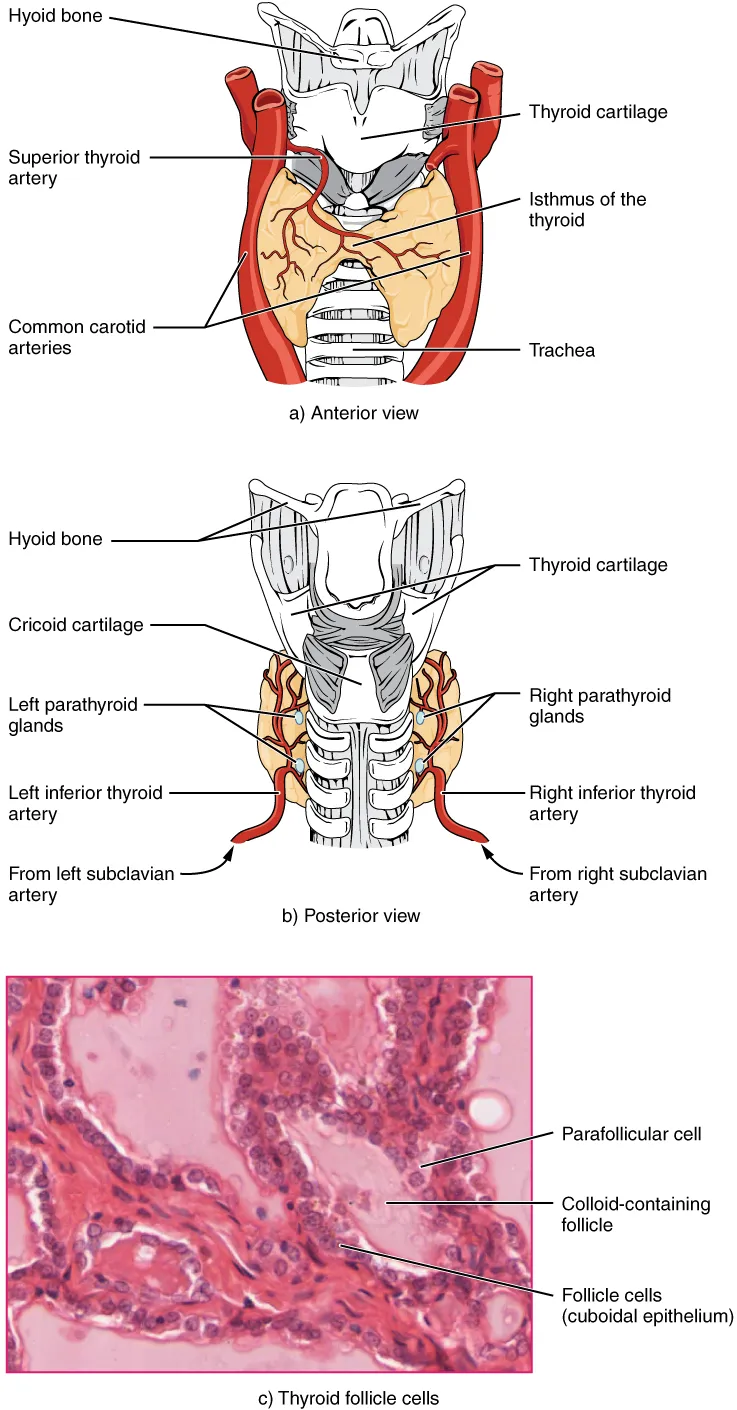
Your thyroid is a small, butterfly-shaped gland in the front of your neck. It makes hormones that control the way the body uses energy. These hormones affect nearly every organ in your body and control many of your body's most important functions. For example, they affect your breathing, heart rate, weight, digestion, and moods. Without enough thyroid hormones, many of your body's functions slow down. But there are treatments that can help.
What causes hypothyroidism?
Hypothyroidism has several causes. They include:
- Hashimoto's disease, an autoimmune disorder where your immune system attacks your thyroid. This is the most common cause.
- Thyroiditis, inflammation of the thyroid
- Congenital hypothyroidism, hypothyroidism that is present at birth
- Surgical removal of part or all of the thyroid
- Radiation treatment of the thyroid
- Certain medicines
- In rare cases, a pituitary disease or too much or too little iodine in your diet
Who is at risk for hypothyroidism?
You are at higher risk for hypothyroidism if you:
- Are a woman
- Are older than age 60
- Have had a thyroid problem before, such as a goiter
- Have had surgery to correct a thyroid problem
- Have received radiation treatment to the thyroid, neck, or chest
- Have a family history of thyroid disease
- Were pregnant or had a baby in the past 6 months
- Have Turner syndrome, a genetic disorder that affects females
- Have pernicious anemia, in which the body cannot make enough healthy red blood cells because it does not have enough vitamin B12
- Have Sjogren's syndrome, a disease that causes dry eyes and mouth
- Have type 1 diabetes
- Have rheumatoid arthritis, an autoimmune disease that affects the joints
- Have lupus, a chronic autoimmune disease
What are the symptoms of hypothyroidism?
The symptoms of hypothyroidism can vary from person to person and may include:
- Fatigue
- Weight gain
- A puffy face
- Trouble tolerating cold
- Joint and muscle pain
- Constipation
- Dry skin
- Dry, thinning hair
- Decreased sweating
- Heavy or irregular menstrual periods
- Fertility problems in women
- Depression
- Slowed heart rate
- Goiter, an enlarged thyroid that may cause your neck to look swollen. Sometimes it can cause trouble with breathing or swallowing.
Because hypothyroidism develops slowly, many people don't notice symptoms of the disease for months or even years.
What other problems can hypothyroidism cause?
Hypothyroidism can contribute to high cholesterol. In rare cases, untreated hypothyroidism can cause myxedema coma. This is a condition in which your body's functions slow down to the point that it becomes life-threatening.
During pregnancy, hypothyroidism can cause complications, such as premature birth, high blood pressure in pregnancy, and miscarriage. It can also slow the baby's growth and development.
How is hypothyroidism diagnosed?
Your health care provider may use many tools to make a diagnosis:
- A medical history, which includes asking about your symptoms
- A physical exam
- Thyroid tests, such as
- TSH, T3, T4, and thyroid antibody blood tests
- Imaging tests, such as a thyroid scan, ultrasound, or radioactive iodine uptake test. A radioactive iodine uptake test measures how much radioactive iodine your thyroid takes up from your blood after you swallow a small amount of it.
What are the treatments for hypothyroidism?
The treatment for hypothyroidism is medicine to replace the hormone that your own thyroid can no longer make. About 6 to 8 weeks after you start taking the medicine, you will get a blood test to check your thyroid hormone level. Your health care provider will adjust your dose if needed. Each time your dose is adjusted, you'll have another blood test. Once you find the right dose, you will probably get a blood test in 6 months. After that, you will need the test once a year.
If you take your medicine according to the instructions, you usually should be able to control the hypothyroidism. You should never stop taking your medicine without talking with your health care provider first.
If you have Hashimoto's disease or another type of autoimmune thyroid disorder, you may be sensitive to harmful side effects from iodine. Talk to your health care provider about which foods, supplements, and medicines you need to avoid.
Women need more iodine when they are pregnant because the baby gets iodine from the mother's diet. If you are pregnant, talk with your health care provider about how much iodine you need.
NIH: National Institute of Diabetes and Digestive and Kidney Diseases
References
- Hypothyroidism — MedlinePlus, U.S. National Library of MedicineSource: MedlinePlus, National Library of Medicine Public domain (U.S. government work). Retrieved 2026-10-19.
Text above is quoted from the listed sources without changes to its meaning. Image credits and licences are shown with each image. Educational information only, not medical advice.
Related conditions
Educational overview, not medical advice. Treatment varies by person and location. Consult a qualified health professional for diagnosis or care. Content and model notes · Privacy information